
The allure of gambling: Why do people play?
The psychology behind casino gambling is complex and multifaceted. One of the primary reasons people are drawn to gambling is the thrill and excitement that comes with the possibility of winning. The adrenaline rush experienced when placing bets can create a euphoric feeling, leading individuals to chase that high repeatedly. This behavior is often reinforced by the intermittent rewards of occasional wins, which can make the experience even more enticing. Many seek out non gamstop sports betting sites as alternative avenues for this excitement.
Moreover, the social aspect of gambling cannot be overlooked. Many people visit casinos not only to play but also to enjoy the atmosphere and engage with others. The camaraderie shared among players can foster a sense of belonging and community, which adds to the overall allure of gambling. This blend of excitement and social interaction often keeps individuals returning, even when they face losses.
Cognitive biases and their impact on gambling strategies
Cognitive biases play a significant role in shaping gambling behavior. One common bias is the illusion of control, where individuals believe they can influence the outcome of games of chance through their actions. This misconception can lead gamblers to develop strategies that may not be effective, as they overestimate their ability to predict outcomes. For instance, players may believe that a winning streak can be continued by using a specific betting pattern or strategy, despite the random nature of many casino games.
Another prevalent bias is the gambler’s fallacy, which is the mistaken belief that past events can influence future outcomes. Players may think that if a number hasn’t come up in a while, it’s “due” to appear, causing them to alter their betting strategy based on faulty assumptions. These cognitive biases highlight how our minds can misinterpret probabilities, often leading to irrational gambling decisions.
The role of emotions in gambling behavior
Emotions significantly influence gambling behavior, impacting both decision-making and strategy. When players are in a heightened state of excitement or anxiety, they may make impulsive decisions that deviate from their original strategies. This emotional state can lead to chasing losses, where gamblers increase their bets in an attempt to recover previous losses, often resulting in even greater financial detriment.
Conversely, winning can create a euphoric state that clouds judgment. Players might become overconfident, abandoning their strategies in hopes of maintaining their winning streak. Understanding how emotions can drive gambling choices allows players to approach their strategies more rationally and can help them manage their bankrolls more effectively.
Strategies: The balance between luck and skill
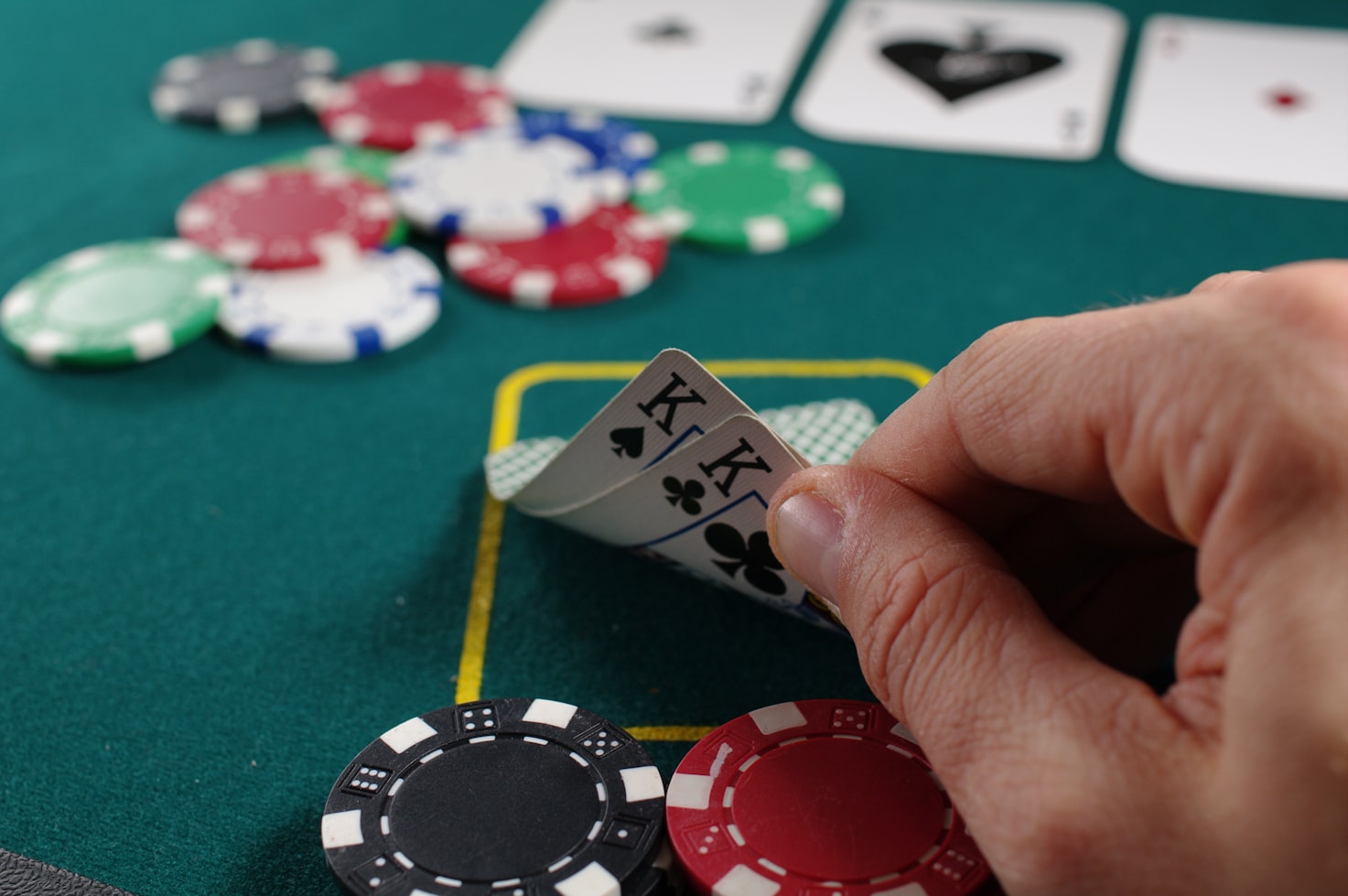
While casino games are primarily based on chance, many players believe that specific strategies can tilt the odds in their favor. Understanding which aspects of games require skill versus those dictated solely by luck is crucial for developing effective gambling strategies. For example, games like poker involve a higher degree of strategy and psychology, as skillful players can exploit their opponents’ weaknesses, while games like slots rely entirely on luck.
Even in games with a skill component, the unpredictability of chance remains a significant factor. Players often need to find a balance between employing strategic thinking and recognizing when luck may not be on their side. This understanding can lead to more informed decisions and, ultimately, a more enjoyable gambling experience.
The importance of responsible gambling practices
Ultimately, understanding the psychology behind casino gambling strategies can inform responsible gambling practices. Recognizing cognitive biases and emotional influences is essential for players who wish to engage in gambling activities healthily. Developing a keen awareness of one’s emotional state and the potential for cognitive distortions can help mitigate the risks associated with gambling.
Responsible gambling entails setting limits, remaining aware of gambling triggers, and understanding when to walk away. By integrating these practices, individuals can enjoy the exhilarating aspects of gambling while minimizing the potential for negative consequences.
Comentários